
- Home
- Insights
- Sustainability
- Green Buildings and Smart Homes in Mumbai: A Buyer's Guide
Sustainability · 27 Apr 2026 · 6 min read
Green Buildings and Smart Homes in Mumbai: A Buyer's Guide
What green ratings, rainwater harvesting, solar and STP really mean for a flat buyer, which smart home features are worth it, and how SMGK Group builds both into its Jogeshwari West towers.
By SMGK Editorial Desk · Updated 17 Nov 2026
Green buildings and smart homes in Mumbai are no longer a niche: a growing share of new towers in the western suburbs pursue IGBC or GRIHA ratings, harvest rainwater, treat sewage on site and ship with app controlled lighting and video door phones as standard. For a buyer, the payoff is lower running costs, better indoor air and light, and a home that holds its value as regulations and tenant expectations tighten. SMGK Group, building in Jogeshwari West, Andheri West and Oshiwara since 2000, has woven roughly 1 lakh sq ft of green spaces into its 5 lakh sq ft of residential development, and its Smart Solutions vertical, Gnnovations, advises on precisely these technologies.
What makes a building green in Mumbai
In general terms, a green building uses less energy, water and material over its life than a conventional one, and is healthier to live in. Two rating systems dominate in India:
- IGBC (Indian Green Building Council): a points based system with Certified, Silver, Gold and Platinum levels, covering site, water, energy, materials and indoor environment.
- GRIHA (Green Rating for Integrated Habitat Assessment): the national rating developed with TERI, scored on a star scale with a strong focus on local climate and resource use.
Ratings matter, but the features behind them matter more for daily life. In Mumbai's hot, humid, monsoon climate, look for:
- Rainwater harvesting that recharges the aquifer or feeds a storage tank for landscaping and flushing, reducing tanker dependence in dry months.
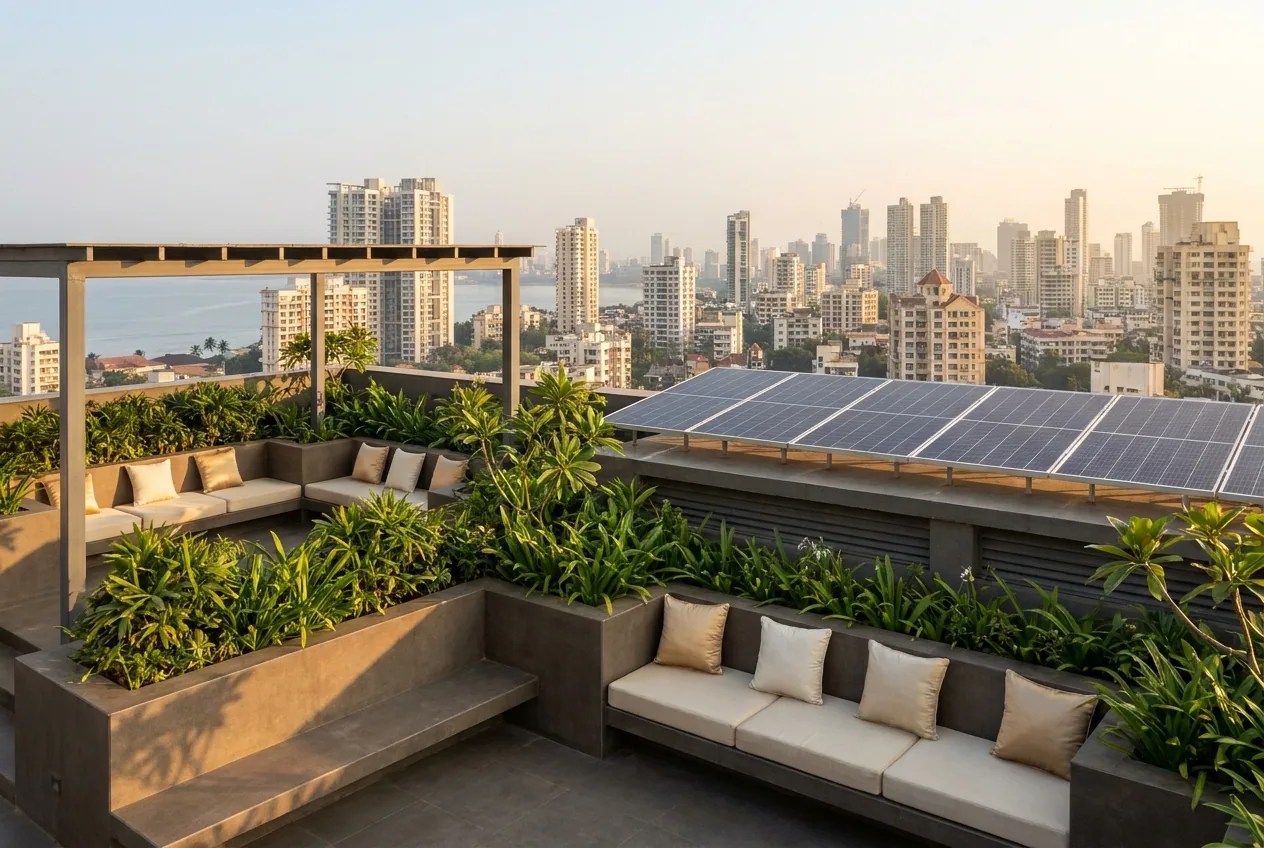
- Rooftop solar for common area lighting, lifts and pumps, which is where a society's electricity bill actually sits.
- A sewage treatment plant (STP) that recycles grey water for gardens and flushing, now a planning requirement for larger projects.
- Low VOC paints and adhesives, so new flats do not off gas solvents into bedrooms for months.
- Cross ventilation and daylight: openings on two faces of each flat, deeper balconies that shade glass, and orientation that catches the sea breeze. This is the oldest green technology there is, and still the most effective.
- Native, low water landscaping and permeable paving that lets the monsoon soak in rather than flood the podium.
Smart home features worth paying for
Smart features range from genuinely useful to pure brochure decoration. The table below ranks the common ones by everyday value.
| Feature | What it does | Everyday value |
|---|---|---|
| Video door phone with lobby integration | See and speak to visitors from the flat or a phone | High: safety for children and elderly parents |
| App controlled lighting and fans | Schedule, dim and switch from anywhere | High: comfort and lower bills |
| Smart locks | Keyless entry, temporary codes for help or guests | High: convenience, audit trail |
| Energy monitoring | Live view of consumption by circuit | Medium to high: finds the appliance that is costing you |
| Gas and smoke sensors with alerts | Push notification and local alarm | High: safety |
| Motorised curtains, voice assistants | Comfort and novelty | Medium: nice to have |
Insist on open standards and a wired backbone where possible. A smart home that depends on one app from one vendor can become a dumb home when that vendor stops updating it.
Green and smart at SMGK: open space first
SMGK Group's approach starts with land use rather than gadgets. Across its western suburbs portfolio, roughly 1 lakh sq ft is given to gardens, podium lawns, play areas and rooftop greens, which is what cools a building, slows runoff and gives children somewhere to be. The completed SMGK Residency, between Veera Desai Road and S.V. Road in Jogeshwari West, set the pattern with landscaped greens, ample parking and a shopping arcade so residents walk rather than drive for daily needs.
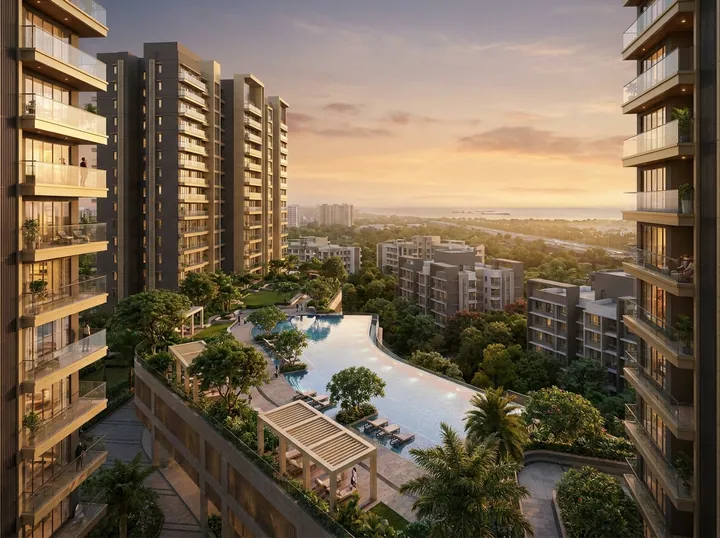
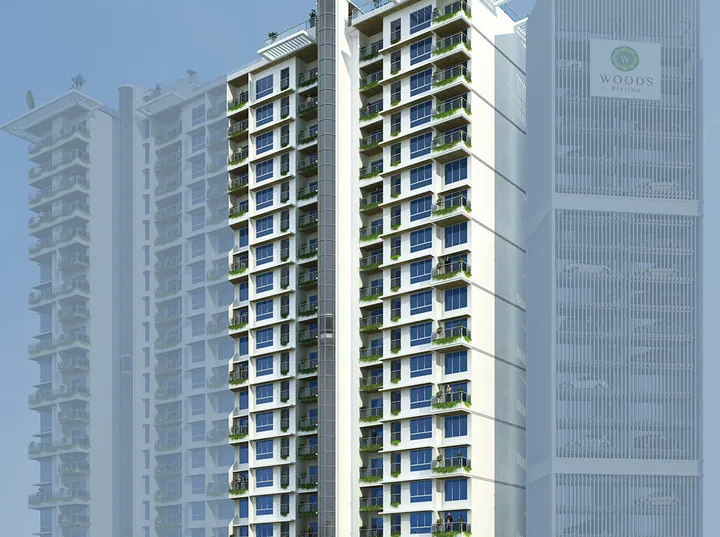
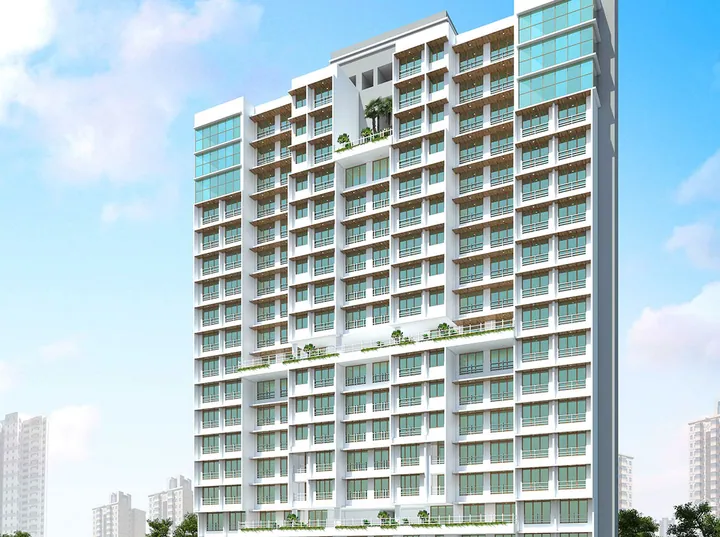
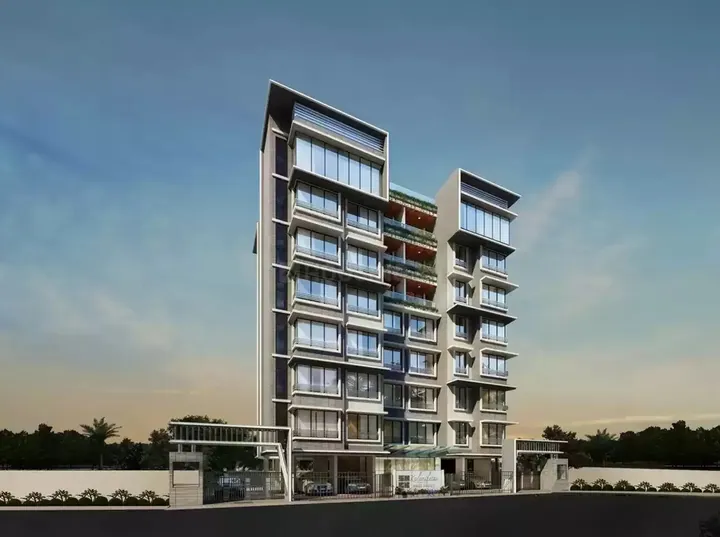
At WOODS Platina, the completed Ebony tower paired green open spaces with smart home provisions in its 2 BHK homes. The ongoing Walnut and Oak towers take this further with smart technology features in each ultra luxury 2 BHK, a rooftop sky garden, a jogging track, children's play area, sit out zones and an infinity edge pool. For a detailed tour, read our complete guide to WOODS Platina. At Golden Heights, SMGK Urbana, the Clever Living concept applies the same thinking to compact 1 and 2 BHK plans: light and air in every room, with nothing wasted on corridors.
SMGK Smart Solutions and Gnnovations
Beyond its own projects, SMGK Group runs a Smart Solutions vertical through Gnnovations, a consultancy for technology and sustainable practices in architecture and home design. It advises housing societies, architects and individual owners on questions such as which solar capacity suits a given roof, how to retrofit an STP, what home automation architecture to specify before the electrician starts chasing walls, and how to achieve a green rating without blowing the budget. If your society is weighing self redevelopment, this is the stage to bring sustainability into the brief; the SMGK Smart Solutions page explains how an engagement works.
Does green and smart pay back?
Yes, in most cases, provided the features are the practical ones. Indicative figures below are for a typical 2 BHK in Jogeshwari West as of 2026; your numbers will differ, so verify with the society and your utility bills.
| Item | Indicative upfront premium | Indicative annual saving or benefit |
|---|---|---|
| Rooftop solar for common areas (per flat share) | Rs 25,000 to 50,000 | 20 to 40 percent lower common electricity charges |
| Rainwater harvesting and STP (per flat share) | Built into the project cost | Fewer water tankers in summer, lower maintenance |
| Basic home automation (lighting, door phone, locks) | Rs 1 to 2.5 lakh | Comfort, security, modest power savings |
| Low VOC finishes and cross ventilation | Negligible | Healthier air, less reliance on air conditioning |
Resale and rental also favour these homes. Tenants in the media and IT belt around Oshiwara and Andheri West increasingly ask for video door phones and app lighting, and a visibly green society is easier to let. Our article on investing in Jogeshwari West covers the yield side.
How to check the claims before you book
- Ask for the rating certificate or the pre certification letter, not just the logo on the brochure.
- Ask what the STP capacity is and where the treated water goes.
- Ask which smart features are provided in the flat as standard, which are provisions (conduits and wiring only) and which are paid upgrades, and get it in the agreement.
- Walk a sample flat at midday with the lights off; if you need them on, the daylighting claim is weak.
- Use our MahaRERA checklist to confirm that the amenities listed match the registered plans.
Key takeaways
- Green building in Mumbai means IGBC or GRIHA ratings backed by rainwater harvesting, solar, STP, low VOC materials and genuine cross ventilation.
- The smart features worth paying for are video door phones, app lighting, smart locks, sensors and energy monitoring.
- SMGK Group has built roughly 1 lakh sq ft of green space into its 5 lakh sq ft portfolio, and Walnut and Oak at WOODS Platina carry smart features as standard.
- Gnnovations, SMGK's Smart Solutions arm, advises societies and owners on sustainable and smart design.
- Verify ratings, capacities and what is actually included before you sign.
If you want a home where the greenery is real and the technology is useful rather than decorative, see the smart 2 BHK towers at Walnut and Oak, WOODS Platina, or ask Gnnovations how to bring these ideas into your own society. Contact us and our team will arrange a visit.
Your questions, answered
What is the difference between IGBC and GRIHA ratings?
Both are Indian green building rating systems. IGBC, run by the Indian Green Building Council, awards Certified, Silver, Gold and Platinum levels on a points basis across site, water, energy, materials and indoor quality. GRIHA, the national rating developed with TERI, uses a star scale and weighs local climate and resource use strongly. For a buyer, the underlying features matter more than the badge.
Which smart home features are actually worth paying for in a Mumbai flat?
Prioritise safety and daily convenience: a video door phone linked to the lobby, app controlled lighting and fans, smart locks with temporary codes, gas and smoke sensors with phone alerts, and energy monitoring. Motorised curtains and voice assistants are pleasant but optional. Insist on a wired backbone and open standards so the system survives any single vendor's app.
Does SMGK Group build green and smart homes?
Yes. Across its Jogeshwari West, Andheri West and Oshiwara projects, SMGK Group has created roughly 1 lakh sq ft of green spaces within over 5 lakh sq ft of residential development. The completed Ebony tower and the ongoing Walnut and Oak towers at WOODS Platina include smart technology features, a rooftop sky garden and an infinity edge pool, and Golden Heights applies light and ventilation led Clever Living planning.
What is Gnnovations?
Gnnovations is SMGK Group's Smart Solutions vertical, a consultancy for technology and sustainable practices in architecture and home design. It advises housing societies, architects and homeowners on solar sizing, sewage treatment and water recycling, home automation architecture and achieving green ratings within a realistic budget. Societies planning self redevelopment often engage it early so sustainability is built into the brief.
Do green buildings in Mumbai cost more to buy?
The premium is usually modest and is concentrated in items like a solar plant or home automation, which can add roughly Rs 1 to 3 lakh per flat in indicative terms as of 2026. Rainwater harvesting, STP, low VOC finishes and good ventilation add little. In return, residents see lower common electricity bills, fewer water tankers and stronger rental demand. Verify actual figures with the society.