
- Home
- Insights
- Finance & Legal
- MahaRERA Checklist Before Booking a Flat: 12 Checks to Make
Finance & Legal · 29 May 2026 · 6 min read
MahaRERA Checklist Before Booking a Flat: 12 Checks to Make
The MahaRERA checklist to run before booking a flat in Mumbai: what to verify on the portal, the 10 percent cap before agreement, escrow, defect liability and possession date.
By SMGK Editorial Desk · Updated 17 Nov 2026
Before booking a flat in Maharashtra, open the MahaRERA website and confirm that the project is registered, that the promoter's record is clean, that the sanctioned plans and possession date match what you were told, and that the agreement for sale follows the model format. Then remember three legal protections: a developer cannot take more than 10 percent of the price before signing a registered agreement for sale, 70 percent of your money must sit in a project escrow account, and structural defects are the developer's responsibility for five years from possession. This MahaRERA checklist before booking a flat walks through each check in the order you would do it. SMGK Group has registered every ongoing project in Jogeshwari West, Andheri West and Oshiwara with MahaRERA, and we would rather a buyer verify us than trust us on faith.
Step one: verify the registration itself
Every residential project in Maharashtra above a small size threshold must be registered with MahaRERA before it is advertised, marketed or sold. On the portal:
- Search the project by name and locality, not by what a brochure says. Confirm the registered project name, the building and wing names, and the plot address match the site you visited.
- Check the registration status is valid and note the proposed date of completion. This is the legally committed possession date, and it is the one that matters, not a verbal promise.
- Look at the sanctioned plans and layout uploaded on the portal. The number of floors, the number of flats per floor and the amenities should match the sales presentation.
- Open the encumbrance and title documents. A title report from the promoter's advocate is uploaded with the registration.
Never rely on a registration number quoted in an advertisement alone. Type it into the portal and read the page it opens.
Step two: study the promoter
The promoter section tells you who you are dealing with.
- Past projects: the portal lists the promoter's earlier registered projects with their completion status. Delays across several projects are a pattern, not bad luck.
- Litigation: promoters must disclose pending cases relating to the project and the land. Read them even if the summary says "nil"; cross check the complaints section of the portal, which lists orders passed against the promoter.
- Partners and group entities: a project is often held in a special purpose company. Make sure you know which established group stands behind it. SMGK Group's track record, over 5 lakh sq ft delivered since 2000 and 20 plus projects, is on our about page and team page, and every completed project such as Kalaniketan in Amboli can be visited.
Step three: read the quarterly updates
Registered projects must update the portal every quarter with construction progress, the number of units booked, approvals received and funds received and spent. This is the most underused check.
- Compare the booking percentage against what the sales team tells you.
- Check whether physical progress matches the money withdrawn; a project with heavy withdrawals and slow progress deserves questions.
- Look for the engineer's, architect's and chartered accountant's certificates, which are required for each withdrawal from the escrow account.
A project that updates late or inconsistently is telling you something about how it is managed.
Step four: the money rules that protect you
| Protection | What the law requires | What you should do |
|---|---|---|
| 10 percent cap | A promoter may not accept more than 10 percent of the cost of the apartment as advance or application fee before a written, registered agreement for sale is executed | Do not pay beyond 10 percent against a mere allotment letter or booking form |
| 70 percent escrow | 70 percent of amounts realised from allottees must be deposited in a separate bank account and used only for land and construction cost of that project | Ask which bank holds the account; it is named in the registration |
| Agreement for sale | Must follow the MahaRERA model agreement, with carpet area, payment schedule linked to construction stages, possession date and penalties for delay | Read the draft before paying the 10 percent, and have an advocate compare it to the model format |
| Interest for delay | If possession is delayed, the buyer is entitled to interest at the prescribed rate, or a refund with interest on withdrawal | Note the possession date in the agreement, not the brochure |
| 5 year defect liability | Structural defects or workmanship defects reported within five years of possession must be rectified at the promoter's cost within 30 days | Keep a dated record of every defect you report after possession |
Step five: the paperwork in your hands
- Allotment letter: it should state the flat number, floor, carpet area, exclusive balcony or terrace area, parking, total consideration and the payment schedule. It is a precursor to the agreement, not a substitute for it.
- Agreement for sale: once registered, this is your contract. Confirm it carries the same carpet area as the portal (read our carpet area vs built up area explainer first), the payment stages, the possession date, the grace period if any, the list of amenities and the common areas you will own a share of.
- Payment receipts: every payment should be against a receipt naming the escrow account, and should be traceable in your bank statement.
- Approvals: commencement certificate for the floors being sold, environmental clearance where applicable, and later the occupation certificate before you take possession.
- Stamp duty and registration: in Mumbai, 6 percent for men and 5 percent for women (1 percent metro cess included) plus registration capped at Rs 30,000, as of 2026; verify current rates and see our stamp duty and registration guide.
Step six: questions to ask on site
- Which lenders have approved the project for home loans?
- Is the payment plan construction linked, and who certifies each stage?
- What is the exact carpet area of the specific flat, and can I see a flat of the same type in a completed project?
- What are the maintenance charges at possession, and for how many months are they collected in advance?
- Is there a society formation timeline and a conveyance commitment?
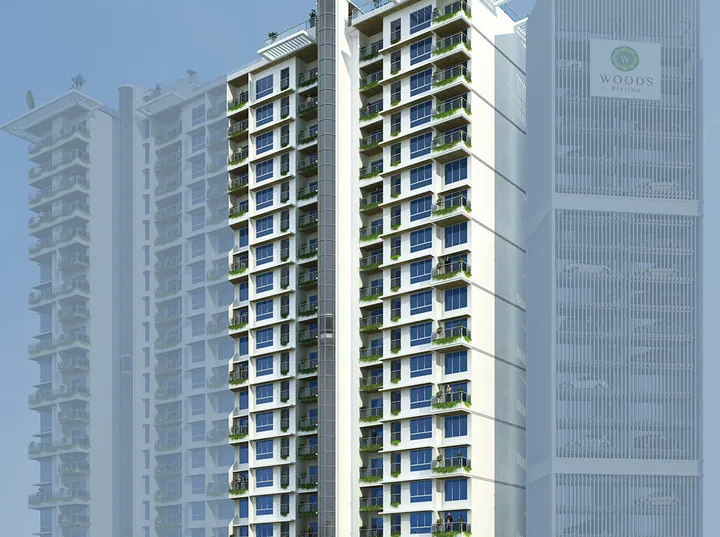
At SMGK projects such as Golden Heights at SMGK Urbana and the Walnut and Oak towers at WOODS Platina, our team answers these with documents rather than assurances, and buyers are encouraged to visit the completed SMGK Residency to see finished quality. A broader look at what is currently on offer is in our new residential projects in Jogeshwari West page.
Key takeaways
- Verify the project on the MahaRERA portal yourself: registration, sanctioned plans, possession date and title documents.
- Study the promoter's past projects, litigation disclosures and the complaints section.
- Read quarterly progress updates and compare them with what you are told.
- Pay no more than 10 percent before a registered agreement for sale; 70 percent of your money must sit in escrow.
- Keep the agreement's possession date and the five year defect liability window in your records.
Ready to run this checklist on an SMGK home? Contact us for the documents, or begin with the ongoing 1 and 2 BHK homes at Golden Heights in Jogeshwari West.
Your questions, answered
How much can a developer take before the agreement for sale?
Under RERA, a promoter cannot accept more than 10 percent of the cost of the apartment as an advance or application fee before entering into a written agreement for sale that is registered. Any demand beyond that against only an allotment letter or booking form is a red flag. Insist on the registered agreement before releasing further instalments.
What is the 70 percent escrow rule under MahaRERA?
Seventy percent of the money collected from buyers must be deposited in a separate bank account for that project and may be withdrawn only in proportion to construction and land cost, against certificates from an engineer, an architect and a chartered accountant. The account is named in the registration, and quarterly updates on the portal show funds received and spent.
How long is the defect liability period under RERA?
If a structural defect or a defect in workmanship, quality or provision of services is brought to the promoter's notice within five years from the date of possession, the promoter must rectify it at no further cost within thirty days. Keep dated written records of every defect you report so the timeline is clear if a dispute arises.
What should I check on the MahaRERA website before booking?
Confirm the project registration is valid, read the proposed completion date, open the sanctioned plans and title documents, review the promoter's past projects and litigation disclosures, and read the latest quarterly update on construction progress, bookings and funds. Also check the complaints section for orders against the promoter. Do all of this yourself rather than relying on a brochure.
Is an allotment letter enough to secure my flat?
No. An allotment letter records the flat, carpet area, price and payment schedule, but your enforceable contract is the registered agreement for sale, which must follow the MahaRERA model format. Treat the allotment letter as a step towards that agreement, pay no more than 10 percent at that stage, and have an advocate review the draft agreement before signing.